

How to collect a urine sample

Urine can be a valuable source of information about your cat’s health.
Collecting a sample isn’t always easy…
First of all, once it clumps in the litter box, this urine is lost forever !
Here are the 4 most common methods used at home :
-
Non absorbing litter (see details below)
-
Free catch in a clean and dry container
-
Fresh urine collected on a clean floor or from an empty litter box (clean & dry)
-
Sampling with a needle via the abdomen (cystocentesis) by the veterinarian during the visit (the bladder must be large enough)
Method 1: Non absorbing litter
Here are the general instructions with non absorbing litter :
First, you will need to obtain the special litter from a veterinary clinic
(or via the online store if time allows).
Here are some examples :
Kit4Cat
Pellet Litter
NoSorb

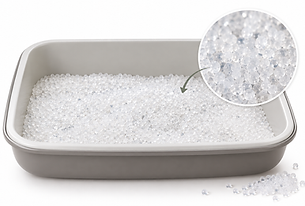
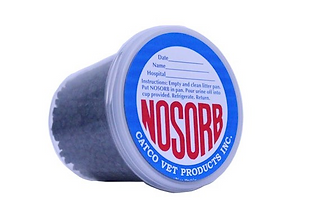
Remove access to the regular litter box. If necessary, isolate the concerned cat in a room with its litter box.
Prepare the litter box according to the instructions below, first thing in the morning on the day of the appointment or collection :
-
Use a clean, empty and dry litter box (wash with mild soap; e.g. dish soap).
-
Place a layer of non-absorbent litter at the bottom.
-
Monitor regularly and collect the urine with a syringe or pipette (avoiding collecting the litter itself).
-
Transfer to a sterile or clean, dry container.
-
A volume of 5 ml is generally required.
-
Refrigerate the urine sample (normally a maximum of 24 hours).